
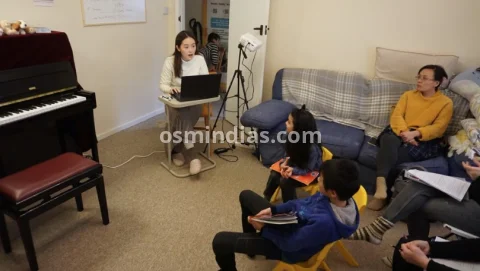
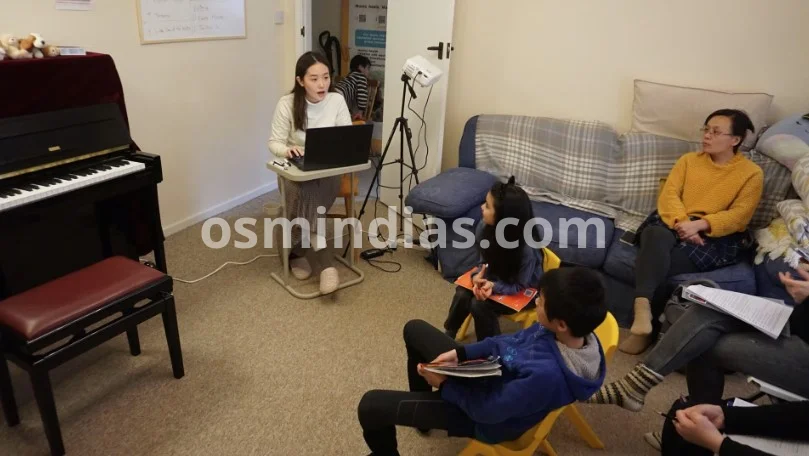
At a time when many childhood activities revolve around screens, schedules and individual achievement, there is something refreshingly simple about a group of young people standing together and singing.
No special technology. No complicated equipment.
Just voices, shared effort and a sense of belonging.
That may help explain why CHORUS CHILDREN'S CHOIR programmes continue to attract families looking for meaningful opportunities outside the classroom. While parents often enrol children in music programs with music in mind, many soon discover that choir participation offers benefits that extend far beyond learning songs or preparing for performances.
For countless young people, joining a choir becomes an experience that shapes confidence, friendships and personal development in ways that are difficult to predict at the outset.
Why Children's Choirs Still Matter
Music education has evolved considerably over recent years. Digital learning platforms, online tutorials and home-based practice tools have expanded access to musical instruction.
Yet choir singing remains remarkably relevant.
Part of the reason is that singing together requires something increasingly valuable: genuine human connection.
Unlike many activities where participants focus primarily on their own performance, choir members must constantly listen to one another. They learn how individual contributions support a collective outcome.
A choir succeeds when everyone works together.
That lesson often carries far beyond music.
Children begin to understand cooperation, responsibility and mutual respect in a practical setting rather than simply hearing about these qualities in theory.
What Makes CHORUS CHILDREN'S CHOIR Different From Other Activities?
Many extracurricular activities encourage skill development. Sport builds teamwork. Drama develops confidence. Academic clubs challenge intellectual abilities.
Choir participation occupies a unique space because it combines artistic expression with social interaction.
Within a choir, every child contributes regardless of experience level. There is no requirement to be the loudest voice or the most technically advanced singer.
Instead, success comes from learning how individual voices blend.
This environment can be particularly beneficial for children who may not naturally seek the spotlight. Some of the most enthusiastic choir members are often those who discover confidence gradually through participation rather than performance alone.
Teachers and choir directors frequently observe shy children becoming more engaged over time as they develop trust in the group around them.
The transformation is often subtle at first.
Then, suddenly, a child who once hesitated to speak in front of others volunteers for a solo line or confidently participates in a concert.
The Confidence-Building Power of Singing Together
Confidence is often discussed as though it appears overnight.
In reality, it tends to develop through repeated experiences that gradually expand a child's comfort zone.
Choirs provide exactly this kind of environment.
Young singers learn new music, rehearse regularly and perform in front of audiences. Each step introduces manageable challenges supported by peers and experienced leaders.
Importantly, mistakes become part of the learning process.
A missed note or forgotten lyric rarely feels overwhelming when surrounded by dozens of other voices. This supportive atmosphere encourages resilience and helps children develop a healthier relationship with performance and self-expression.
Many parents report noticeable changes after sustained choir participation.
Children often become more comfortable speaking publicly, engaging socially and approaching unfamiliar situations with greater confidence.
These outcomes are difficult to measure formally, yet they are among the reasons many families value choir experiences so highly.
Learning Life Skills Through Choir Participation
One of the lesser-discussed benefits of children's choirs is the range of transferable skills they help develop.
Regular rehearsals teach commitment and consistency. Group performances encourage preparation and accountability. Following musical direction strengthens listening skills and concentration.
There is also an important emotional dimension.
Music provides opportunities for children to express feelings that can be difficult to articulate through words alone. Songs often explore themes such as joy, hope, friendship and resilience, helping young singers connect with emotions in meaningful ways.
These experiences contribute to personal growth alongside musical development.
For many children, choir becomes one of the first environments where they learn how dedication and teamwork contribute to achieving shared goals.
How a Summer Music Programme Can Strengthen Musical Development
For young singers looking to build on their choir experience, a summer music programme can provide valuable opportunities for deeper engagement.
Unlike weekly rehearsals, summer programmes often offer immersive experiences that allow participants to focus on music over several consecutive days or weeks.
This concentrated approach can accelerate learning while making the process enjoyable.
Participants may explore:
- Vocal technique workshops
- Ensemble singing
- Performance preparation
- Music appreciation
- Creative projects and composition
- Collaborative performances
Many young singers return from summer programmes with renewed enthusiasm and a stronger connection to music.
The experience also allows them to meet peers who share similar interests, expanding their musical and social networks beyond their local community.
The Role of Community in Children's Music Education
Perhaps the most enduring strength of choir participation is its ability to foster community.
Children benefit from feeling part of something larger than themselves. Choirs create spaces where friendships develop naturally through shared experiences and common goals.
Parents often notice this sense of belonging almost immediately.
Young singers look forward to rehearsals not only because they enjoy the music, but also because they enjoy being part of the group.
Organisations such as Chorus Music Therapy and Education have also helped draw attention to the wider role music can play in supporting communication, inclusion and emotional wellbeing among children from diverse backgrounds.
The strongest choir programmes recognise that musical excellence and personal development are closely connected.
One often supports the other.
The lasting appeal of CHORUS CHILDREN'S CHOIR programmes has very little to do with trends and a great deal to do with timeless human experiences.
Singing together teaches children how to listen, collaborate, persevere and express themselves with confidence. Alongside these benefits, opportunities such as a summer music programme can deepen musical understanding while strengthening social connections and personal growth.
Long after specific songs are forgotten, many young singers remember the friendships they formed, the confidence they gained and the feeling of being part of something meaningful.
For many families, that remains one of the most valuable lessons music can offer.
FAQs
At what age can children join a choir?
Most children's choirs welcome participants from primary school age onwards, though age requirements vary between organisations.
Do children need previous singing experience?
No. Many choirs are designed to support beginners as well as more experienced young singers.
How does choir participation benefit children?
Choirs can help develop confidence, teamwork, communication skills, musical ability and social connections.
What is the difference between a choir and singing lessons?
Singing lessons focus on individual vocal development, while choirs emphasise group performance, ensemble skills and collaborative learning.
Can a summer music programme help choir members improve?
Yes. Summer programmes often provide intensive musical experiences that strengthen vocal skills, performance confidence and overall musicianship.
No reviews found!












No comments found for this product. Be the first to comment!