













Clay and Lime Plaster: Why Traditional Wall Finishes Are Finding Their Place in Modern Homes Again

Seller: Charles Turner |
Reviews (0)
 0  0  3
In Stock
Share: 

Walk into a carefully restored period property and there's often something difficult to define about the atmosphere.

The walls seem softer. Light behaves differently. Rooms feel calmer somehow.

It isn't always the furniture, the paint colour or the architecture creating that impression. More often than many homeowners realise, the character comes from the surface beneath it all.

Clay and lime plaster have been used in buildings for centuries, long before gypsum boards and synthetic finishes became the norm. Yet after decades of being largely overlooked outside conservation projects, these traditional materials are experiencing something of a revival.

And it isn't purely nostalgia driving the trend.

Architects, interior designers and homeowners are increasingly recognising that natural wall finishes offer practical benefits alongside their distinctive appearance.

Why Interest in Traditional Building Materials Is Growing

Modern construction has undoubtedly delivered speed, efficiency and consistency. Few would argue otherwise.

Yet many homeowners are becoming more conscious of the materials surrounding them. Questions about sustainability, indoor air quality and long-term durability are no longer limited to specialist building circles.

People renovating older properties often discover that modern materials don't always work particularly well with traditional structures. Damp issues, condensation and cracking can sometimes emerge when buildings are prevented from behaving as originally intended.

This has prompted a broader reassessment of historic construction methods.

Interestingly, some of the materials once considered outdated are now being viewed through a very different lens.

Clay and lime plaster sit firmly within that category.

What Is Clay and Lime Plaster?

Although often grouped together, clay plaster and lime plaster are distinct materials.

Clay plaster is produced primarily from natural clay, sands and mineral aggregates. It contains no cement and typically relies on the clay itself as the binding agent.

Lime plaster, meanwhile, uses lime as its binder. It has been a cornerstone of traditional British construction for hundreds of years and remains widely used in heritage restoration projects.

Both materials share several characteristics that appeal to modern homeowners.

They're breathable.

They're natural.

And they create finishes that feel noticeably different from standard painted plasterboard.

That difference can be subtle at first glance. Spend time in a room finished with clay or lime plaster, however, and the effect becomes more apparent.

The surfaces possess depth and texture that machine-perfect walls often lack.

The Practical Benefits of Clay and Lime Plaster

One reason clay and lime plaster continue to attract interest is that their advantages extend beyond aesthetics.

Breathability is perhaps the most frequently discussed benefit.

Unlike many synthetic wall coverings, natural plasters allow moisture vapour to move through the wall structure. This helps regulate humidity levels within a building and can contribute to a healthier indoor environment.

Older properties particularly benefit from this characteristic.

Victorian cottages, Georgian townhouses and timber-framed buildings were designed to manage moisture differently from modern homes. Applying impermeable materials can sometimes create problems rather than solve them.

Natural plasters work with the building rather than against it.

There's also the matter of longevity.

Many historic buildings across Britain still contain original lime plaster that has survived for generations. While maintenance may occasionally be required, the material itself has demonstrated remarkable durability over time.

Then there's sustainability.

As environmental considerations become increasingly important within the construction sector, natural materials are receiving renewed attention. Clay and lime plasters generally involve fewer synthetic components and often align well with environmentally conscious renovation approaches.

Clay and Lime Plaster in Contemporary Interior Design

Perhaps the biggest surprise is how comfortably these traditional materials fit within modern interiors.

Many people still associate lime plaster exclusively with listed buildings and country cottages.

That perception is changing.

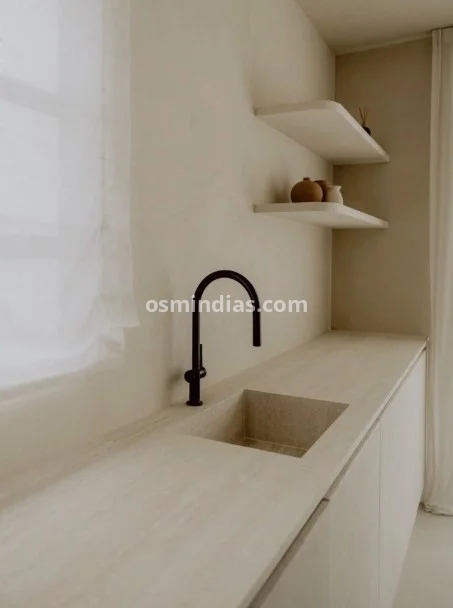
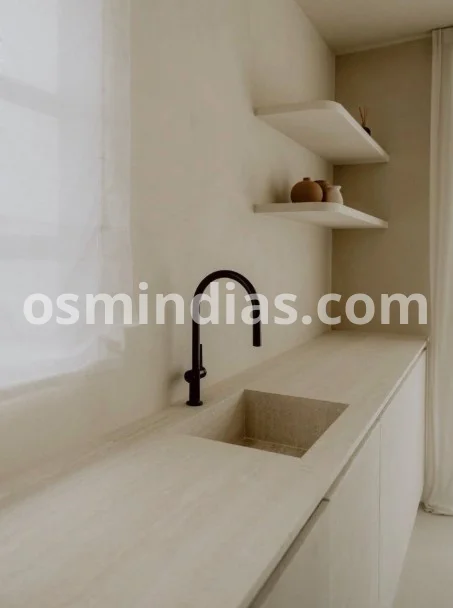
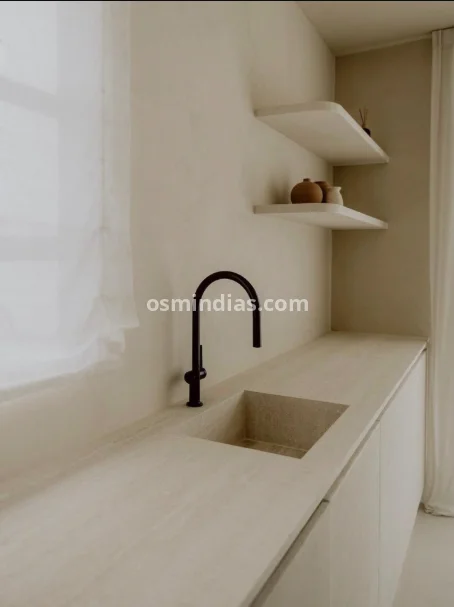
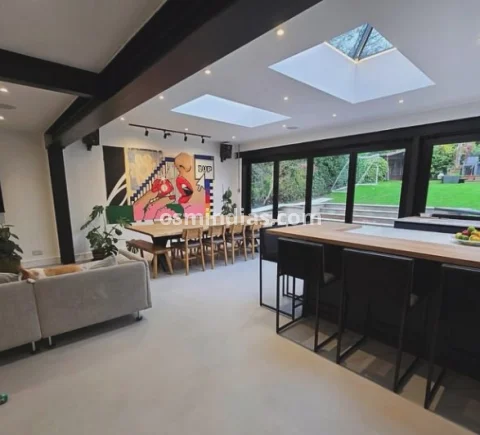
Contemporary designers are increasingly using clay and lime plaster in minimalist homes, luxury apartments and commercial spaces. The subtle movement, texture and tonal variation create visual interest without overwhelming a room.

A flat painted wall can sometimes feel static.

Natural plaster surfaces tend to have more life to them.

As daylight shifts throughout the day, the appearance changes slightly. Shadows soften. Colours develop depth. The effect is understated but noticeable.

It's one reason high-end interior projects increasingly feature specialist plaster finishes as a focal design element.

For readers interested in understanding the different applications and finish options available, this overview of <a href="https://www.creativaltd.com/clay-and-lime-plaster/">clay and lime plaster systems</a> provides useful background on how these materials are being used across residential and commercial projects.

Common Misconceptions About Natural Plaster Finishes

Despite growing popularity, a few misconceptions still persist.

One assumption is that clay and lime plaster are suitable only for historic properties.

In reality, they work equally well in many contemporary settings.

Another misconception is that natural plaster finishes are inherently fragile.

Like any building material, performance depends on correct application and suitable conditions. When properly installed, lime and clay plasters can offer excellent durability.

Cost is another frequently discussed issue.

Initial installation may sometimes exceed that of conventional plaster finishes, particularly where specialist craftsmanship is involved. However, homeowners increasingly view the investment as part of a broader focus on quality, longevity and character rather than simply comparing upfront material costs.

Why Homeowners Are Looking Beyond Standard Plasterboard Walls

For decades, smooth plasterboard walls represented the default choice for residential interiors.

They're practical, efficient and familiar.

Yet many homeowners are now seeking something with greater individuality.

Social media undoubtedly plays a role. Interior design trends regularly showcase textured finishes and handcrafted surfaces.

Still, there appears to be a deeper shift taking place.

People spend more time at home than ever before. As a result, interest in materials that contribute to comfort, atmosphere and wellbeing has grown significantly.

Natural plaster finishes often resonate with that mindset.

They feel less manufactured.

Less uniform.

More connected to traditional craftsmanship.

And for many homeowners, that's precisely the appeal.

Choosing the Right Finish for Your Property

There's no universal answer when selecting wall finishes.

A listed building undergoing restoration may have very different requirements from a newly built contemporary home.

The age of the property, existing wall construction, environmental conditions and design goals all influence the decision.

Professional advice remains valuable, particularly when working with older structures where moisture management plays a critical role.

The key is understanding that wall finishes aren't merely decorative layers.

They contribute to how a building performs and how a space feels.

That perspective is driving much of the renewed interest in traditional materials today.

The growing popularity of clay and lime plaster reflects a broader shift in how people think about their homes.

Rather than viewing walls as blank surfaces to cover with paint, homeowners are becoming more interested in the materials themselves. Breathability, sustainability, craftsmanship and visual character are increasingly part of the conversation.

While these traditional finishes may never replace conventional plasterboard on a mass scale, they offer an appealing alternative for those seeking something with a little more depth and authenticity.

Sometimes the oldest building materials still have something valuable to teach modern construction.

FAQ

What is the difference between clay plaster and lime plaster?

Clay plaster uses natural clay as its primary binder, while lime plaster relies on lime. Both are breathable finishes, but they have different performance characteristics and aesthetic qualities.

Is clay and lime plaster suitable for modern homes?

Yes. Although commonly associated with period properties, both materials are increasingly used in contemporary residential and commercial interiors.

Does lime plaster help prevent damp?

Lime plaster can help manage moisture by allowing water vapour to pass through wall structures. It is often recommended for older buildings where breathability is important.

Is clay plaster environmentally friendly?

Clay plaster is generally considered an environmentally conscious material due to its natural composition and relatively low processing requirements.

Can clay and lime plaster be painted?

Yes, though breathable paints are usually recommended to preserve the material's moisture-regulating properties.

Why are designers using clay and lime plaster more frequently?

Many designers appreciate the texture, depth and natural appearance these finishes provide, along with their sustainability and indoor environmental benefits.

No reviews found!

No comments found for this product. Be the first to comment!

This site uses cookies. By continuing to browse the site, you are agreeing to our use of cookies.