
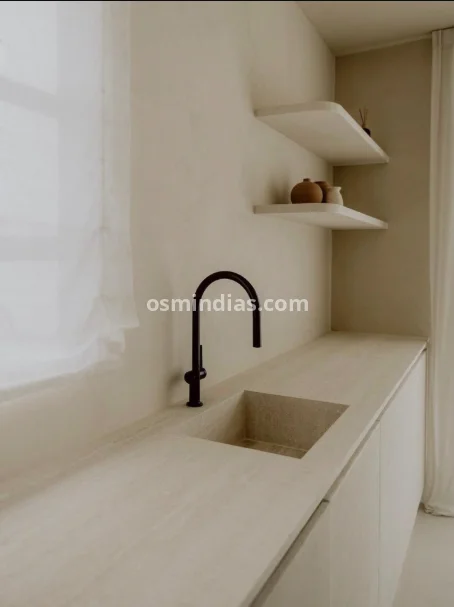
For many years, plastering was viewed largely as a functional trade. The focus was often on speed, consistency, and modern materials designed to meet tight project deadlines. Yet across the UK, there has been a noticeable shift in how people think about interior finishes and building materials.
Architects, homeowners, conservation specialists and skilled tradespeople are showing renewed interest in traditional methods that offer both aesthetic appeal and environmental benefits. Among these, clay lime plaster has gained particular attention.
As a result, clay lime plaster training is becoming increasingly relevant for those looking to expand their expertise, work on heritage projects, or simply develop a deeper understanding of natural building materials.
Why Natural Plastering Skills Are Returning
Walk through the renovation of a period cottage, a listed building, or even a contemporary eco-home, and you're likely to encounter conversations about breathability, moisture management and sustainable materials.
These aren't new concepts. In many respects, they reflect knowledge that builders understood generations ago.
Clay and lime plasters have been used for centuries across Europe. Long before modern gypsum products became commonplace, natural plasters played a vital role in creating durable and comfortable living environments.
What has changed is the growing appreciation for their wider benefits. Property owners are becoming more conscious of indoor air quality. Designers are seeking finishes with character and texture. Conservation professionals are focused on preserving the integrity of historic structures.
The demand for skilled practitioners has followed naturally.
What Clay Lime Plaster Training Actually Involves
People unfamiliar with the craft sometimes assume plaster training is simply about learning how to apply material to a wall. The reality is far more nuanced.
A quality clay lime plaster training programme typically covers:
- Material composition and behaviour
- Surface preparation techniques
- Mixing methods
- Application processes
- Layering systems
- Texture creation
- Finishing techniques
- Repair and maintenance practices
Perhaps most importantly, trainees learn how different substrates interact with natural plasters.
A common challenge in older properties is managing moisture movement correctly. Understanding how clay and lime respond to environmental conditions can make the difference between a successful finish and one that develops problems over time.
The practical element is often where the greatest value lies. Working directly with the materials allows participants to understand their consistency, setting characteristics and finishing potential in ways that cannot be learned from theory alone.
The Practical Benefits of Working with Clay Lime Plaster
One reason clay lime plaster continues to attract attention is its versatility.
From a technical perspective, these materials are known for their breathability. Rather than trapping moisture within a building's fabric, they allow vapour to move naturally through walls.
This characteristic makes them particularly suitable for older properties that were never designed around modern impermeable construction methods.
There is also the visual appeal.
Unlike perfectly uniform synthetic finishes, clay lime plaster often delivers subtle variations in texture and depth. Light interacts differently across the surface, creating a finish that feels handcrafted rather than manufactured.
Interior designers frequently describe this quality as difficult to replicate with conventional materials.
For tradespeople, the appeal can be equally practical. Developing specialist skills often opens doors to projects where craftsmanship is valued over volume. Heritage restoration, bespoke residential work and high-end interiors all increasingly require knowledge that extends beyond standard plastering techniques.
Who Is Seeking Training Today?
The audience for clay lime plaster training has broadened considerably in recent years.
Traditional plasterers are often looking to diversify their skill set and access specialist markets. Builders working on conservation projects need a stronger understanding of compatible materials. Interior designers frequently seek practical knowledge that helps inform their specification decisions.
Even homeowners are becoming more involved.
Those undertaking self-build projects or extensive renovations often attend introductory courses to better understand the materials being used in their properties.
This wider interest reflects a broader trend within the construction sector. Technical knowledge remains essential, but there is growing appreciation for craftsmanship and material understanding.
Clients are asking more questions. Skilled professionals are expected to provide more informed answers.
Traditional Skills, Contemporary Applications
One of the most interesting aspects of clay lime plaster is that it is no longer confined to historic buildings.
Many contemporary architects are incorporating natural plaster finishes into modern homes, hospitality spaces and commercial interiors.
The reasons vary.
Some are attracted by sustainability credentials. Others appreciate the distinctive aesthetic. Many simply value the ability to create surfaces that feel authentic and individual.
The result is a craft that sits comfortably between tradition and innovation.
Training providers have responded by developing courses that combine historic techniques with modern application requirements. Organisations such as Creativa Ltd, which offers specialist training in decorative and artisan finishes, reflect this growing demand for practical expertise across niche surface-finishing disciplines.
Choosing the Right Clay Lime Plaster Training Course
Not all training programmes are structured in the same way.
When evaluating a course, practical experience should be a major consideration. Watching demonstrations has value, but hands-on application provides a far deeper understanding of how materials behave.
Prospective trainees should also consider:
- The experience of instructors
- Class sizes
- Material coverage
- Real-world project examples
- Ongoing support opportunities
- Course suitability for their skill level
For beginners, a strong foundation in preparation and application techniques is essential. More experienced professionals may benefit from advanced modules covering specialist textures, repairs or heritage restoration methods.
The best courses tend to balance technical knowledge with practical confidence.
After all, successful plastering is rarely about memorising a process. It is about understanding how materials respond to changing conditions and making informed decisions on site.
The renewed interest in clay lime plaster training reflects a broader shift within the construction and design sectors. As sustainability, craftsmanship and material performance become increasingly important, traditional plastering skills are finding new relevance.
For tradespeople, designers and property professionals alike, learning to work with clay lime plaster offers more than technical knowledge. It provides a deeper understanding of how buildings function, how natural materials behave and how distinctive finishes can be achieved through skilled application.
While construction methods continue to evolve, some of the most valuable lessons still come from techniques that have stood the test of time. That is precisely why clay lime plaster training continues to attract attention from a new generation of practitioners.
FAQ
What is clay lime plaster?
Clay lime plaster is a natural wall-finishing material made primarily from clay, lime and aggregates. It is commonly used in both heritage restoration and contemporary sustainable building projects.
Who should attend clay lime plaster training?
Training is suitable for plasterers, builders, decorators, conservation professionals, interior designers and homeowners interested in natural building techniques.
Is clay lime plaster suitable for modern homes?
Yes. While often associated with historic buildings, clay lime plaster is increasingly used in contemporary residential and commercial projects because of its aesthetic qualities and breathability.
How long does it take to learn clay lime plastering?
Introductory courses may last a day or two, while more advanced training can extend over several sessions depending on the level of expertise being developed.
Why is clay lime plaster becoming more popular?
Growing interest in sustainable construction, healthy indoor environments and handcrafted finishes has contributed to renewed demand for natural plastering materials and the skills required to apply them effectively.
No reviews found!












No comments found for this product. Be the first to comment!